Ep 61 | Millennial Menopause: Prepare for Life's Next Period with Confidence

Millennials have always been at the forefront of big changes. They break down walls around mental health, demand a better work-life balance, and question old ways of doing things. Now, they are starting to face a big, often misunderstood change in womanhood: perimenopause.
But this generation isn't just going to quietly deal with hot flashes and hormone swings. They are asking questions, seeking knowledge, and changing the story their mothers never got to tell.
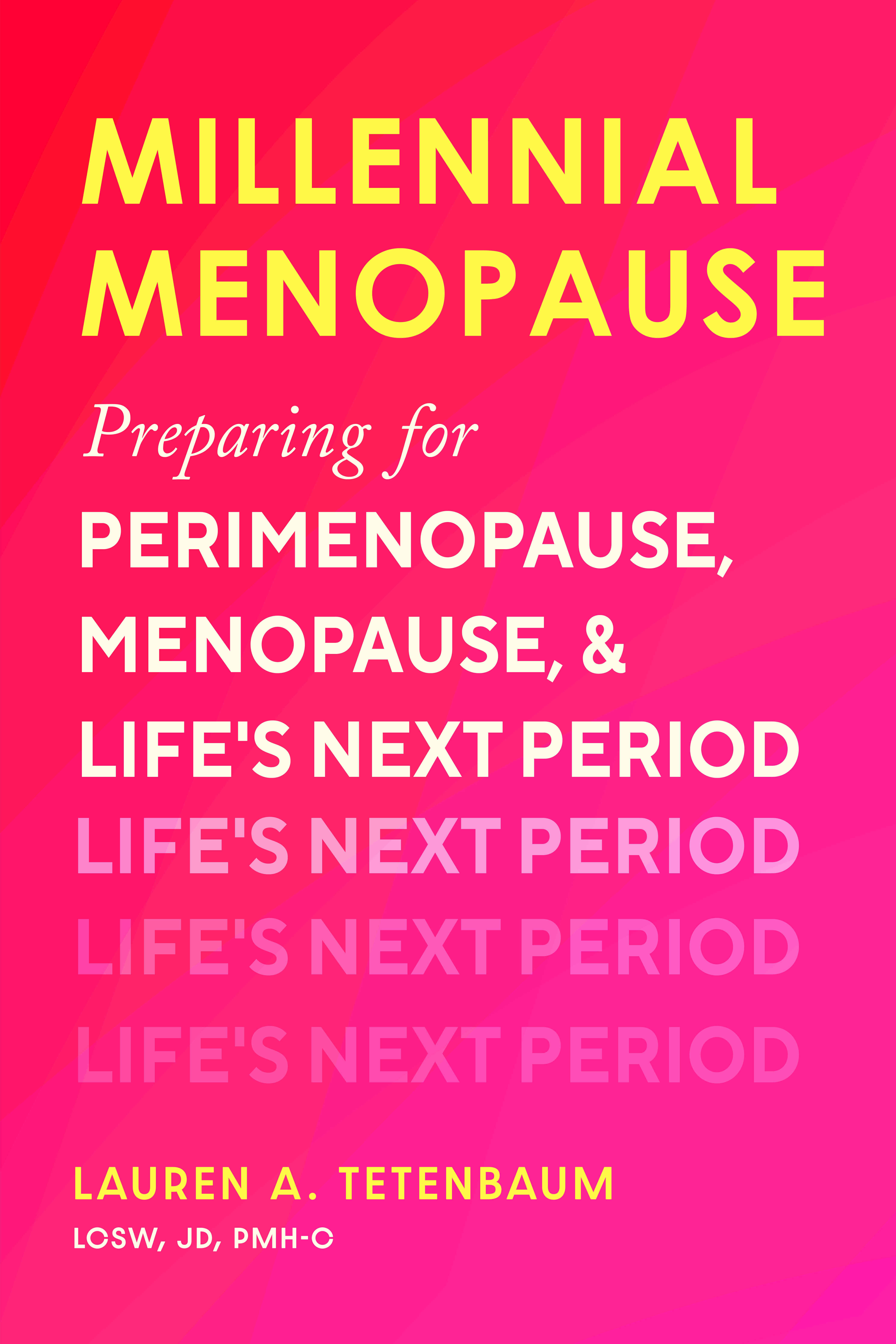
As a Gen Xer who has gone through perimenopause and found my power on the other side, I am passionate about making this path easier for women coming up behind me. You deserve more support, more knowledge and, yes, more pleasure. That's why I was so excited to talk with Lauren Tetenbaum, also known as The Counselor. Lauren is a social worker, writer, and former lawyer who helps women through big life changes, especially millennial women dealing with motherhood, identity, and now, perimenopause. Her upcoming book, Millennial Menopause: Preparing for Perimenopause, Menopause, and Life's Next Period, is a warm, smart, and judgment-free guide every millennial woman needs.
Why Many Millennials Feel Caught Off Guard by Perimenopause
Many millennials feel surprised by perimenopause. Lauren explained that she realized she knew nothing about menopause, even though she cares deeply about women's reproductive health and life stages. This lack of knowledge is common.
We grew up learning that our worth as women was all about our reproductive cycle—periods and having babies. After that, there was silence. This silence creates a feeling of taboo, stigma, and shame around menopause. In places like the UK, they are starting to teach about menopause in high schools, which is a brilliant idea. It helps normalize this natural next step in life.
Key Takeaway: Many millennials are unprepared because menopause has been a silent topic for too long, leading to a lack of understanding and a sense of shame.
How Millennials Can Change the Menopause Story
The good news? Millennials are in a unique position to change how we talk about menopause. Lauren believes we can change these conversations by simply having them. We need to share information and resources to remove the stigma. When people talk about struggles like fertility or postpartum depression, they often say, "I wish I had known" or "I'm so grateful to be in a community". We need to do the same for menopause.
One big reason menopause has been taboo is often due to a fear of women aging, mixed with old ideas about misogyny. But millennials are already open about things like periods, puberty, and sexuality. Why not menopause? Lauren's article, "Are You There, Menopause? It's Me, a Millennial Mom" (a nod to Judy Blume!), perfectly captures this idea of making menopause part of the ongoing conversation.
Action Step: Start talking about menopause openly with your peers, friends, and family. Share resources like podcasts and books to help remove the stigma.
"Life's Next Period": Reframing Menopause with Curiosity and Optimism
Lauren perfectly describes perimenopause as "life's next period". This playful but meaningful phrase reminds us that this is a new phase of life, not an end. Women are living longer, often spending a third or even half of their lives post-menopause. So, we can't see it as doom and gloom.
Aging is a privilege. By changing our mindset to approach it with more curiosity, optimism, and self-compassion, we can do more than just survive this phase—we can thrive in it.
Key Insight: Menopause is not an ending but a significant new chapter. Approaching it with curiosity and self-compassion changes the experience from one of fear to one of growth.
Preparing for What's Next: Lauren's "Millennial Menopause" Book
Lauren realized there was a huge gap in knowledge, especially for millennials, about perimenopause. Many women born in the mid-1980s are already entering perimenopause or are about to, and they often say, "I wish I had known, I wish I had some clue, because we're clueless".
Her book, Millennial Menopause, aims to fill this gap. It's designed to feel like your best friend slash therapist talking to you one-on-one about what's happening. It covers everything from sex and work to parenting and how to talk to the men in your life and your healthcare providers. It also looks at the bigger picture: societal issues, local laws, and medication options.
What to Expect from the Book:
A guide on preparing for this phase.
Advice on communicating with partners and healthcare providers.
Understanding physical and mental health issues.
Context on societal issues affecting women's health.

Conversations with Partners: Bringing Them into the Journey
One often-missed part of this conversation is including our partners. Lauren dedicates a whole chapter in her book to the men in readers' lives, encouraging women to hand the book over to them. This is because men need to be allies in this movement, and they should know what's happening with the women they care about.
My husband, for example, grew up in a time when his mother's health struggles during menopause were considered "women's problems," and he was shooed out of the room. This can carry over into our own relationships, making partners think it's your issue. But when you go through perimenopause or menopause, it impacts everyone around you.
Tip for Partners: Start the conversation by explaining that menopause impacts everyone in the family, not just the woman experiencing it. Encourage them to learn and be an active ally.
Intergenerational Conversations: Passing Down Wisdom
Lauren believes millennials are embracing intergenerational conversations, and she's hopeful about it. For her book, she surveyed hundreds of women from millennial, Gen X, and baby boomer generations. She couldn't have written the book without their knowledge. Coming together, sharing experiences, and supporting each other makes a huge difference and helps the next generation.
A great way to start these conversations is by asking your mother or other older female relatives about their menopause experience. Ask questions like:
What was your experience with menopause like?
How old were you, and what were your symptoms?
What helped you, and what would you have done differently?
What advice do you have for me?
Our mothers often didn't talk about it because their options were so limited. Younger women are saying, "No, I'm not going to do that". Even if you face a wall, you can start broadly by discussing family health history and gently leading to menopause. Showing enthusiasm about your own learning, saying "I want to know what your experience around this was," can help.
Actionable Insight: Reach out to older generations in your family and community. Their experiences are a valuable source of wisdom and support.
Navigating Mental Health and the Mental Load in Perimenopause
Many women in this stage are juggling demanding careers, raising children, and now, hormonal shifts. Lauren notes many overlaps between perinatal mental health and perimenopause, with similar symptoms like teariness, irritability, and a sense of losing who you are.
It's hard to prepare for everything, but you can set yourself up for success by having support and resources in place. Perimenopause is a risk period for mental health, just like the perinatal period.
We often feel like we have to do it all—be 110% at parenting and 110% at work. But that just doesn't add up. We need to demand better policies and have partners who are truly partners, not interns you have to boss around. It means building a village of support.
Practical Steps:
Talk to your partner about warning signs if you feel down or anxious.
Have people ready to help with childcare or household tasks.
Consider working with a therapist.
Demand better policies at work and from the government that support women's health needs.
Communicate openly and regularly with your partner about sharing responsibilities.

Reconnecting with Pleasure and Intimacy in Midlife
Hormonal changes can impact libido and desire at every stage, including perimenopause. But the mental load itself can also impact libido, energy, and emotional connection. If you feel resentful toward your partner for not pulling their weight, you are likely not in the mood for intimacy.
It's vital to connect with yourself, your values, and what's important to you. Sleep is also incredibly important for mental health and hormonal balance. Make sure you are rested and can communicate with your partner about what you need, in and out of the bedroom.
Understanding the five love languages can be a simple way to figure out what you need to feel loved and supported. For example, acts of service might be a big turn-on! Relationships should be reciprocal, with each partner acting from a place of generosity. Quality time is also key, even if it's just 20 minutes alone or with your partner. Compassion from your partner goes a long way.
Key Actions for Pleasure and Intimacy:
Prioritize sleep and physical well-being.
Communicate openly with your partner about needs and desires.
Explore your love languages and your partner's.
Make time for quality connection, even in small ways.
Cultivating Self-Compassion and Joy
If you are feeling stuck, overwhelmed, or disconnected from your body, like you're "not feeling like myself," there are tools to help. One of Lauren's favorites is self-compassion. This means talking to yourself the way you would a friend. We are often our own biggest critics, but we deserve to be our own biggest cheerleaders.
Lauren also encourages asking: What brings you joy?
It can be something small, like a five-minute walk outside. The important thing is to reconnect with that part of yourself and make space for it.
Self-Compassion Practices:
Be kind to yourself: Speak to yourself as kindly as you would a dear friend, especially during tough times.
Find your joy: Identify small things that bring you happiness and make space for them in your day.
Talk about it: Share what you are going through with trusted friends, family, or a therapist.
Ask for help: Remember you deserve support, community, and self-compassion.
Stepping into Your Next Chapter with Confidence
For millennial women feeling worried or unprepared for this next chapter, Lauren offers a simple but powerful piece of advice: Talk about it and ask for help. Whether you are having mood shifts from hormones or just feeling stressed, you deserve support, community, and self-compassion.
Lauren also reminds us that pleasure can be found in being lighthearted and silly. Finding joy and laughter, making a joke, putting on a silly song, or dancing with girlfriends can make a big difference. Playfulness and maintaining a sense of innocence are for grown-ups too.
Conclusion
Perimenopause is a significant and often misunderstood transition, but it doesn't have to be a journey you face alone or unprepared. By leaning into curiosity, having open conversations—especially across generations and with partners—and prioritizing self-compassion, we can shift the narrative. This stage is not an ending but an invitation to step into your "second spring" with confidence, knowledge, and a renewed connection to your pleasure and power.
CONNECT WITH LAUREN TETENBAUM:
Lauren Tetenbaum, LCSW, JD, PMH-C ("The CounseLaur") is a social worker specializing in women’s mental health during life transitions, including the perinatal and perimenopausal stages. Through her counseling practice, Lauren provides therapy in NY, NJ, CT, and FL, facilitates groups and coaching workshops to empower postpartum and other women in corporate settings, and contributes to media on topics like maternal mental health, gender equity, and working parenthood. A mom of two, Lauren is also a former lawyer and a writer; her first book (Millennial Menopause: Preparing for Perimenopause, Menopause, and Life's Next Period) will be released in July 2025 and is now available for pre-order at https://thecounselaur.com/millennialmenopausebook/.
RECOMMENDED RESOURCE:
FREE Pleasure Upgrade Bundle
Are you ready to awaken your sensuality and feel more empowered in your body? Get the Pleasure Upgrade Bundle now!
7-Day Pleasure Body Journal + Guided Visualization + Pleasure Checklist
Exclusive VIP 1-on-1 Coaching: Your Personal Pleasure Revolution
A Powerful 3-Month Journey with Gabriella Espinosa to Reawaken Your Sensuality, Reclaim Your Power, and Revolutionize Your Intimate Life
Limited to just 5 clients per quarter - Reserve your spot now!