Ep 34 | The Truth About Menopause Hormone Therapy (Beyond The Myths) with Jill Chmielewski

For years, mixed messages about hormone replacement therapy (HRT) have left midlife women confused and unsure about their choices. Between the conflicting headlines and outdated medical advice, it's no wonder so many of us feel lost when considering hormone therapy.
That's why I invited registered nurse, menopause educator and women's health expert Jill Chmielewski to share her expertise and help separate fact from fiction.
Understanding Why Hormones Matter More Than We Think
Many of us think of estrogen as simply the "sex hormone" - responsible for periods, pregnancy, and maybe hot flashes during menopause. But as Jill explains, estrogen's role in your body is far more extensive and profound:
"We have hormone receptors on our brain, our bones, our skin, our vagina, our urinary tract, our heart, our digestive tract... Every single cell of the body is going to be impacted when those hormones start to decline."
This widespread presence of hormone receptors explains why estrogen decline affects so many aspects of your health:
Brain Function: Memory, mood, and cognitive clarity
Cardiovascular System: Blood vessel health and heart function
Bone Health: Density and fracture risk
Vision: Macular degeneration risk
Oral Health: Gum tissue and dental health
Skin: Collagen production and elasticity
Metabolic Health: Energy and weight regulation
This is why reducing estrogen to just "sex hormones" misses the bigger picture. As Jill emphasizes, "They really should be called whole body hormones." Understanding this helps explain why menopause symptoms can feel so all-encompassing - and why supporting your hormone health is crucial for overall wellbeing.
When we view hormones through this lens, it becomes clear why simply treating individual symptoms (like sleep aids for insomnia or antidepressants for mood changes) might not address the root cause. Your body is an interconnected system, with hormones playing a vital role in keeping everything running smoothly.
ESTROGEN AND HEALTH: THE ORGANS THAT FEEL THE SHIFT
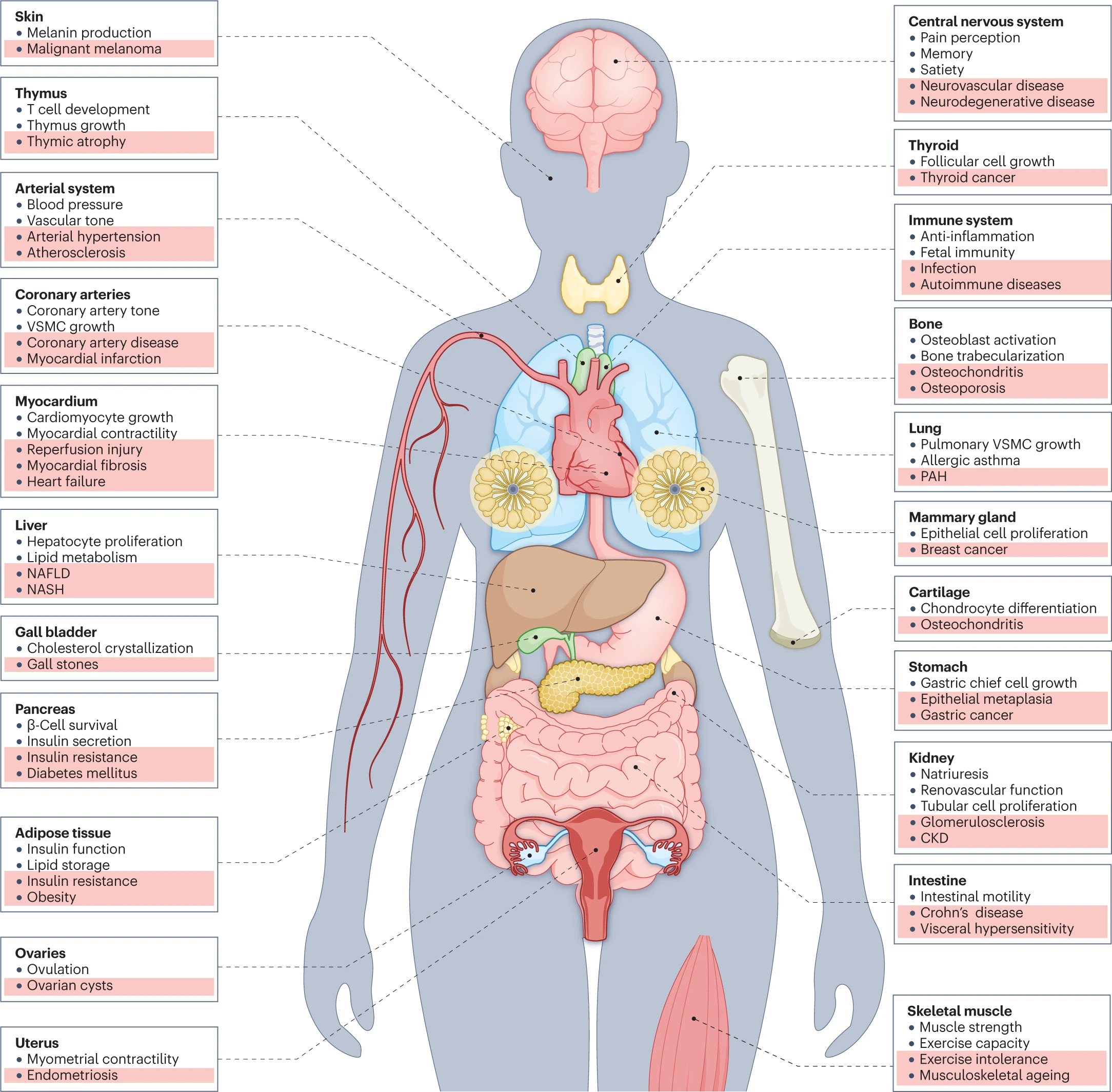
Source: The G protein-coupled oestrogen receptor GPER in health and disease
The Truth About Hormone Decline in Perimenopause
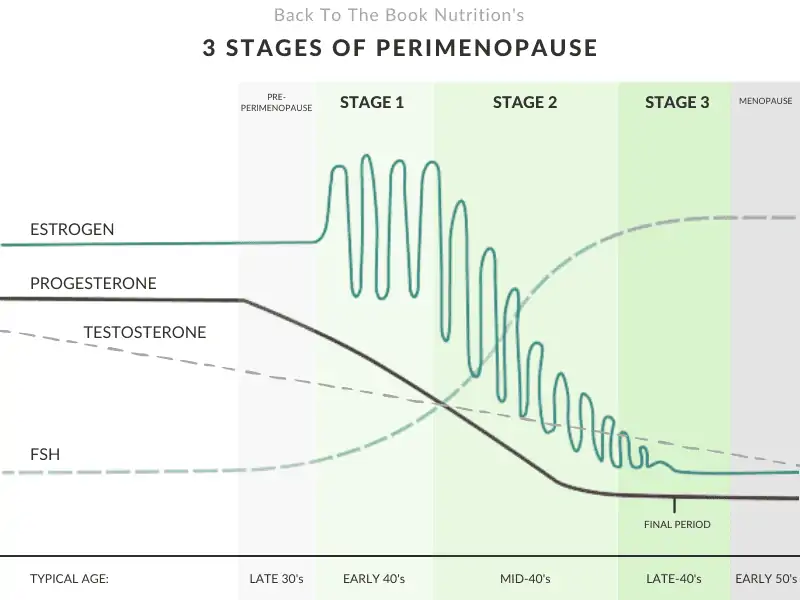
The journey through perimenopause often starts earlier than most women realize. Jill outlines the typical timeline:
Mid to late 30s: Progesterone begins declining first
Early 40s: Erratic fluctuations in estrogen levels begin
Final years before menopause: Steady estrogen decline
Throughout this time: Variable testosterone changes
These hormonal changes can trigger a wide range of symptoms:
Sleep disruption
Anxiety and mood changes
Heavier periods
Brain fog
Low energy
Temperature regulation issues
Debunking the Women's Health Initiative Study Myths
One of the biggest barriers to women accessing hormone therapy has been misconceptions from the Women's Health Initiative (WHI) study from the 1990s. Jill explains what really happened:
"The study used synthetic hormones that are not the same as the hormones used in our body. The estrogen was a horse-derived estrogen called Premarin. The progesterone was not a progesterone at all."
Key facts about the WHI study:
Used synthetic hormones, not bioidentical ones
Study was prematurely halted in 2002
Initial breast cancer risk findings were statistically insignificant
Researchers later retracted their statements
Women using estrogen actually showed 23% decreased breast cancer risk
When to Start Considering Hormone Therapy
A common myth is that women need to wait until they've gone a full year without periods before starting HRT. Jill strongly disagrees:
"If a doctor says you have to wait until your last period to come in to have hormones, that's outdated advice and a red flag that they may not be a menopause expert."
The ideal time to start exploring hormone therapy options:
In your 30s: Start researching and finding qualified providers
During perimenopause: Tracks and address symptoms as they arise
Within 10 years of menopause: Optimal window for protective benefits
Even beyond 10 years: Benefits still possible, especially for specific symptoms
Finding the Right Healthcare Provider
Not all healthcare providers are equally qualified to prescribe hormone therapy. Jill recommends:
Get educated about hormones and HRT basics before appointments
Ask specifically if they prescribe hormones
-
Look for providers who:
Make hormones a key focus of their practice
Offer multiple treatment options
Provide ongoing support and monitoring
Are willing to adjust treatment based on your response
Understanding Different HRT Options
Jill breaks down the main categories of hormone therapy:
Bioidentical Hormones:
Exactly match hormones made by your body
Available in FDA-approved formulations
Can be customized through compounding pharmacies
Synthetic Hormones:
Modified molecular structure
Different from natural body hormones
Often have added ingredients
What to Expect When Starting HRT
Starting hormone therapy is a personalized process. Jill outlines what to expect:
Initial dosing is rarely the final dose
Requires monitoring and adjustment
-
May experience temporary side effects (the "four B's"):
Bleeding
Bloating
Breast tenderness
"Bitchiness" (emotional reactions)
Most side effects resolve as your body adjusts to the hormones.
Beyond Hormone Therapy: A Holistic Approach to Menopause
While hormone therapy can be transformative, Jill emphasizes the importance of overall lifestyle support:
Prioritize quality nutrition
Incorporate strength training
Focus on stress management
Maintain social connections
Get adequate sleep
Practice mindful eating

Your Next Steps
Whether you choose hormone therapy or not, here's how to move forward:
Start tracking your symptoms
Research qualified menopause providers in your area
Prepare questions for medical consultations
Consider lifestyle modifications that support hormonal health
Join supportive communities of other midlife women
Remember, you are the CEO of your body. You deserve accurate information to make informed choices about your health during perimenopause, menopause, and beyond.
About Our Guest: Jill Chmielewski is a Registered Nurse, Women's Health Expert, and Menopause Educator with over 30 years of experience. She serves on the medical advisory board at the Institute of Bioidentical Medicine and created "The Beginner's Guide to Hormone Replacement Therapy." Through her online community Pausing Together, she helps women navigate perimenopause and menopause with confidence.
Connect with Jill Chmielewski:
→ Website: https://www.jillchmielewski.com/
→ Instagram: https://www.instagram.com/jill.chmielewski/
→ Community: https://www.jillchmielewski.com/pausing-together-community/
RECOMMENDED RESOURCE:
FREE Pleasure Upgrade Bundle
Are you ready to awaken your sensuality and feel more empowered in your body? Get the Pleasure Upgrade Bundle now!
7-Day Pleasure Body Journal + Guided Visualization + Pleasure Checklist
Exclusive VIP 1-on-1 Coaching: Your Personal Pleasure Revolution
A Powerful 3-Month Journey with Gabriella Espinosa to Reawaken Your Sensuality, Reclaim Your Power, and Revolutionize Your Intimate Life
Limited to just 5 clients per quarter - Reserve your spot now!